A tensor ring is one of the simplest tools in the energy healing tradition: a single loop of copper wire, twisted, cut to a specific length, and joined at the ends. No batteries. No moving parts. Just copper formed into a closed circle. And yet, practitioners around the world use tensor rings for water structuring, meditation, pain support, EMF harmonization, and plant care. If you have seen one and wondered what it actually does, this guide is for you.
What Is a Tensor Ring?
The concept comes from the work of Slim Spurling, an American researcher and inventor who studied subtle energy in the 1990s. Spurling discovered that when copper wire is twisted and then formed into a closed loop at certain precise lengths, the resulting ring appears to generate a measurable energy field. He called these "tensor rings" because of the tension created by the twisted wire structure.
The most commonly used length is the Sacred Cubit, a unit of measurement traced back to ancient Egypt. The Sacred Cubit measures 523 millimeters, or approximately 20.6 inches. When copper wire is cut to this length (or an exact fraction of it), twisted, and then joined into a closed ring, practitioners report that the ring resonates at 144 MHz, a frequency associated with light and coherence in the energy healing tradition.
The ring itself creates what is described as a toroidal energy field: a doughnut-shaped column of energy flowing through the center of the ring and looping back around the outside. This is the same geometric pattern found in magnetic fields, in the structure of atoms, and in many forms throughout nature. Whether or not you believe in the energetic claims, the geometry is real and measurable.
The science around tensor rings remains outside of mainstream peer review. What exists is a robust practitioner tradition, decades of experiential reports, and a growing community of people who use these tools daily. That distinction matters, and it is worth holding as you read through the rest of this guide.
How Tensor Rings Are Said to Work
Within the energy healing tradition, copper is valued as a conductor, not just of electricity, but of subtle energy. A copper wire twisted and closed at the Sacred Cubit length is believed to create a continuous flow of energy through the center of the ring. Practitioners describe this flow as organizing, harmonizing, or restructuring the energy of whatever is placed within or near the ring.
The twisted wire structure is important. Unlike a plain copper ring, a tensor ring uses wire that has been spun or twisted before being formed into a loop. This twist is said to create a bi-directional energy flow along the length of the wire itself, and the closure of the loop completes the circuit, generating the toroidal field.
The Sacred Cubit measurement connects the tool to a lineage of sacred geometry in healing: the idea that certain proportions and ratios carry inherent energetic properties. The cubit appears in descriptions of the King's Chamber in the Great Pyramid of Giza, and its use in modern energy tools links contemporary practice to ancient systems of proportion and harmony.
5 Common Uses for Tensor Rings
Practitioners use tensor rings in a wide variety of ways. These are the five most commonly reported applications, each with honest framing about what users experience.
1. Water Structuring
This is the single most popular use for tensor rings. Place the ring around a glass or pitcher of water and leave it for several minutes (some practitioners recommend 20 minutes or longer). Users report that the water tastes smoother, softer, or "cleaner" after sitting inside the ring. Some describe a noticeable change in texture.
The concept of "structured water" suggests that water molecules can be influenced into a more coherent arrangement. This idea has proponents and critics in the scientific community, and no mainstream consensus exists. What practitioners consistently report is a subjective improvement in the taste and feel of water treated with a tensor ring.
2. Meditation and Energy Work
Many practitioners hold a tensor ring during meditation, place one on their body, or sit inside a larger ring. The ring is described as creating a focused field that helps deepen concentration, quiet mental noise, and amplify intention. Some energy healers place tensor rings on or around clients during sessions as part of a broader healing protocol.
3. Pain Support
In the traditional use of tensor rings, practitioners place the ring directly on or around an area of discomfort: a sore knee, a tense shoulder, a headache. Users report a sensation of warmth, tingling, or gradual relief. This is one of the oldest and most widely discussed applications in the tensor ring community.
This is also where YMYL framing is most important. Tensor rings are not medical devices. They have not been evaluated for the treatment of any condition. If you are experiencing pain, consult a healthcare provider. What practitioners describe is a traditional, experiential tool that some people find supportive alongside, not in place of, professional care.
4. EMF Harmonization
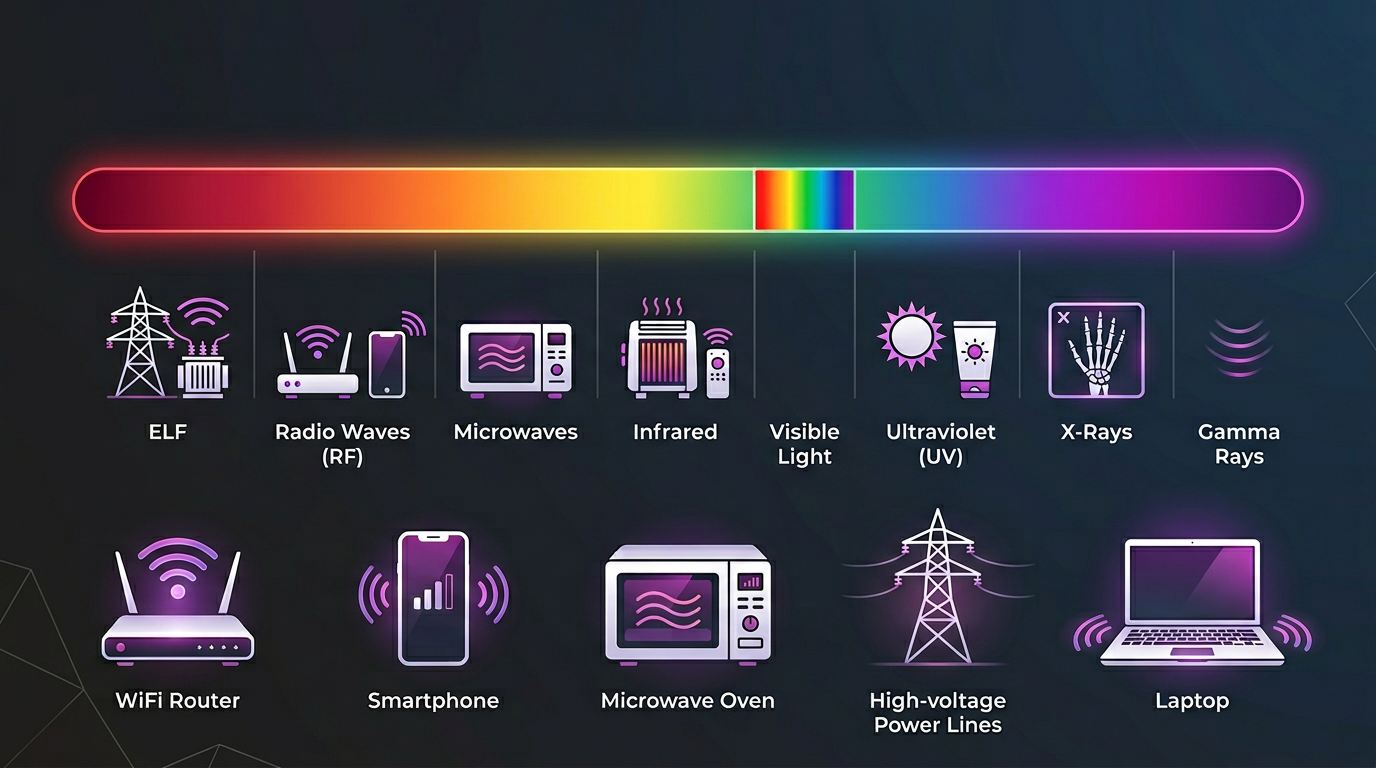
Some practitioners place tensor rings around Wi-Fi routers, near smart meters, or on top of cell phones. The claim is not that the ring blocks or absorbs electromagnetic fields. A more precise framing from within the tradition: the ring is believed to harmonize the energetic environment around the device, creating a space that feels calmer. For a comprehensive look at evidence-based shielding and energy tools, see our EMF protection guide.
5. Plant Growth and Garden Use
Place a tensor ring around the base of a potted plant, or hang one from a stake in a garden bed. Practitioners report accelerated growth, greener foliage, and improved plant vitality. This is one of the more testable applications, and informal experiments shared in online communities sometimes produce striking before-and-after comparisons. Controlled scientific studies, however, remain scarce.
How Michelle Makes Her Tensor Rings
Michelle Nast, the energy healer and maker behind The Northern Daisy, handcrafts each tensor ring in her Maine studio. She uses 14-gauge copper wire, spun and twisted to Sacred Cubit length, then welded closed to complete the loop. The result is a solid, seamless ring that will not open or come undone with use.
Two sizes are available. The half cubit tensor ring measures approximately 3.5 inches in diameter: a portable size suited for placing around a water glass, carrying in a bag, or resting on a nightstand. The full cubit tensor ring measures approximately 6.5 inches in diameter: the larger loop for room-scale work, meditation spaces, or central altar placement.
Both are made from the same 14-gauge copper wire and follow the same Sacred Cubit proportions. The difference is the fraction of the cubit used, which determines the diameter and, within the tradition, the range of the ring's field.
Handcrafted Tensor Rings by The Northern Daisy
Handcrafted in 14-gauge copper wire. Each ring is measured to the Sacred Cubit length and welded by hand in Michelle's Maine studio. Free shipping within the continental United States.
Half Cubit vs Full Cubit: Which Size to Choose
If you are new to tensor rings, the choice comes down to how you plan to use it.
The half cubit ring (3.5 inches, $22) is the more versatile starting point. It fits around most water glasses and small bottles. It is light and portable enough to carry in a bag or pocket. It works well on a nightstand, on a desk, or held during meditation. For most first-time users, this is the ring to start with.
The full cubit ring (6.5 inches, $44) is designed for broader applications. It fits around a large water pitcher, a plant pot, or a group of crystals. It serves as a centerpiece for an altar or meditation space. Practitioners who work with clients often prefer the full cubit for its larger field. If you already know you want a tensor ring for room-scale use, garden work, or practitioner sessions, the full cubit is the right choice.
Both sizes are made from the same 14-gauge spun copper and follow the same Sacred Cubit proportions. Some practitioners own both and use them for different purposes.
Tensor Rings and Other Copper Tools
Tensor rings are part of a broader family of copper energy tools. Michelle handcrafts several other copper pieces, each with a different form and application within the energy healing tradition.
Copper triskelions are triple-spiral forms made from copper wire, rooted in Celtic sacred geometry. Practitioners use them for space clearing, intention setting, and as components in crystal grids.
Copper pyramids combine the conductivity of copper with the focused geometry of the pyramid shape. They are used for meditation, crystal charging, and environmental energy work.
Copper bracelets bring the same conductive material directly to the body. Wearing copper has a long folk tradition, and many practitioners consider it a simple way to stay connected to copper's energy throughout the day.
Each tool has a different geometry and a different purpose, but they all share the same material: copper, handcrafted by the same maker, in the same Maine studio. Together, they form a cohesive toolkit for anyone exploring energy work with copper.
Caring for Your Tensor Ring
Copper is a living material. Over time, your tensor ring will shift from bright, almost pink copper to a warmer brown, and eventually to a soft verdigris if it sits in a humid environment. This patina is natural and, within the tradition, does not diminish the ring's effectiveness. Many people prefer the aged look.
If you want to restore the bright finish, a soft cloth with a little salt and lemon juice is all you need. Avoid harsh chemical cleaners or abrasive pads. The 14-gauge wire is sturdy, but the welded closure point should be treated with care.
Store your ring anywhere you like. There is no wrong placement. Some practitioners keep theirs around a water glass at all times. Others hang them on hooks near windows or doorways. The ring does not need to be "charged" or "cleansed" in the way crystals do, though some people enjoy placing it in sunlight or on a sacred geometry charging plate as a resetting ritual.
Frequently Asked Questions
Do tensor rings really work?
Tensor rings have not been validated by peer-reviewed scientific research. The reported benefits come from practitioner experience and decades of user observation. Many people report noticeable subjective changes in water taste, space quality, and personal well-being. The best approach is to try one and notice what you notice.
What size tensor ring should I get?
The half cubit (3.5 inches, $22) is the best starting point for most people. It fits around a water glass, works well on a nightstand or desk, and is easy to carry. The full cubit (6.5 inches, $44) is better for room-scale use, large water pitchers, plant pots, and practitioner work.
How do I use a tensor ring for water?
Place the ring around or beneath your water glass or pitcher. Let the water sit inside the ring for at least 20 minutes. Some practitioners leave it overnight. Users report that the water tastes smoother and softer after this process. The ring does not need to touch the glass directly.
What is the Sacred Cubit measurement?
The Sacred Cubit is a unit of measurement equal to 523 millimeters (approximately 20.6 inches), traced to ancient Egypt and specifically to proportions found in the Great Pyramid of Giza. When copper wire is cut to this length and formed into a tensor ring, practitioners report that it resonates at 144 MHz.
Can I wear a tensor ring?
Yes. Smaller tensor rings (or rings made at shorter cubit fractions) can be worn around the wrist or finger. The half cubit ring from The Northern Daisy is 3.5 inches in diameter, which is too large for a bracelet, but practitioners sometimes wear it around the forearm or place it on the body during energy sessions.